
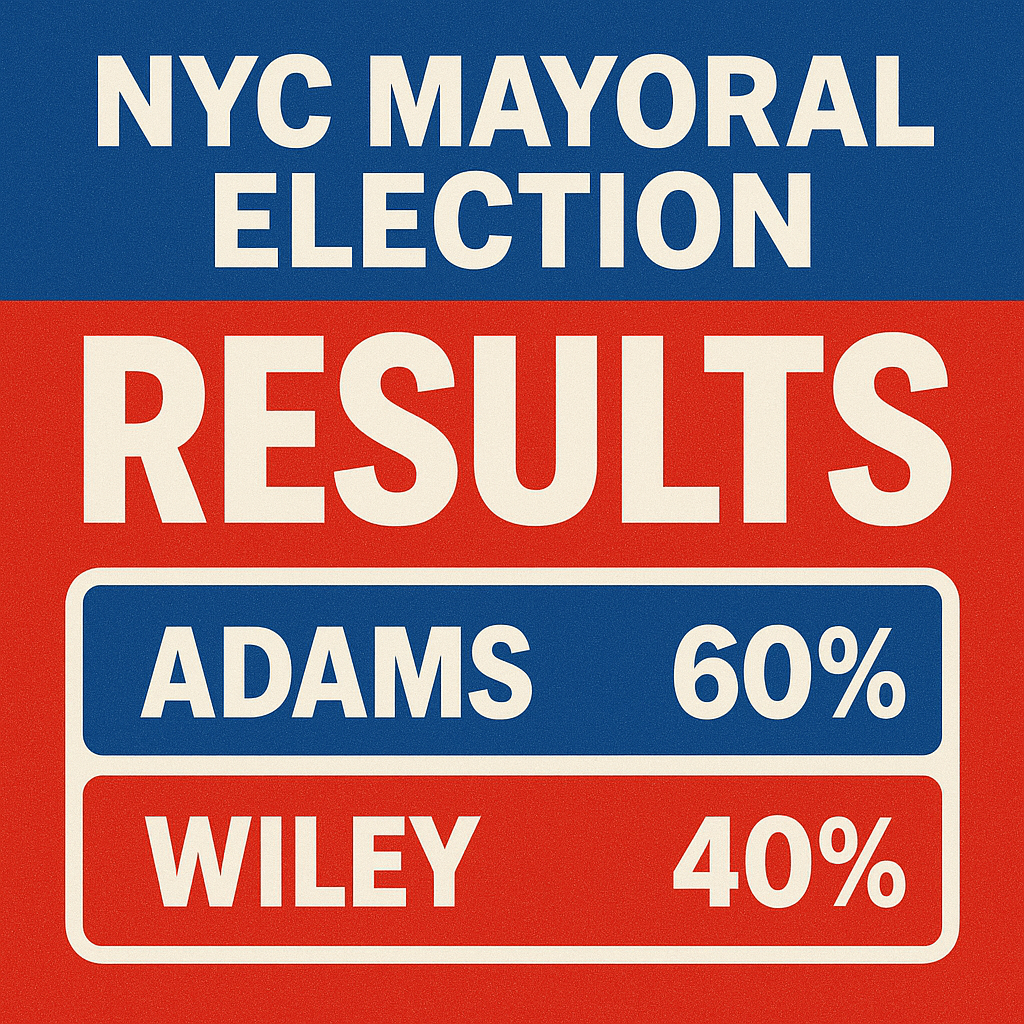
The New York City mayoral election has concluded, and the results reflect a decisive outcome that will shape the direction of the city for the coming years. The election drew widespread attention due to the candidates’ contrasting visions on public safety, housing, education, economic recovery, and the future of city services.
According to the visualized results, Eric Adams secured approximately 60% of the vote, while Maya Wiley received around 40%, showing a clear margin of support among voters. While percentages may vary slightly by district and final certified counts, the outcome signifies a strong preference for Adams’ policy platform and campaign messaging.
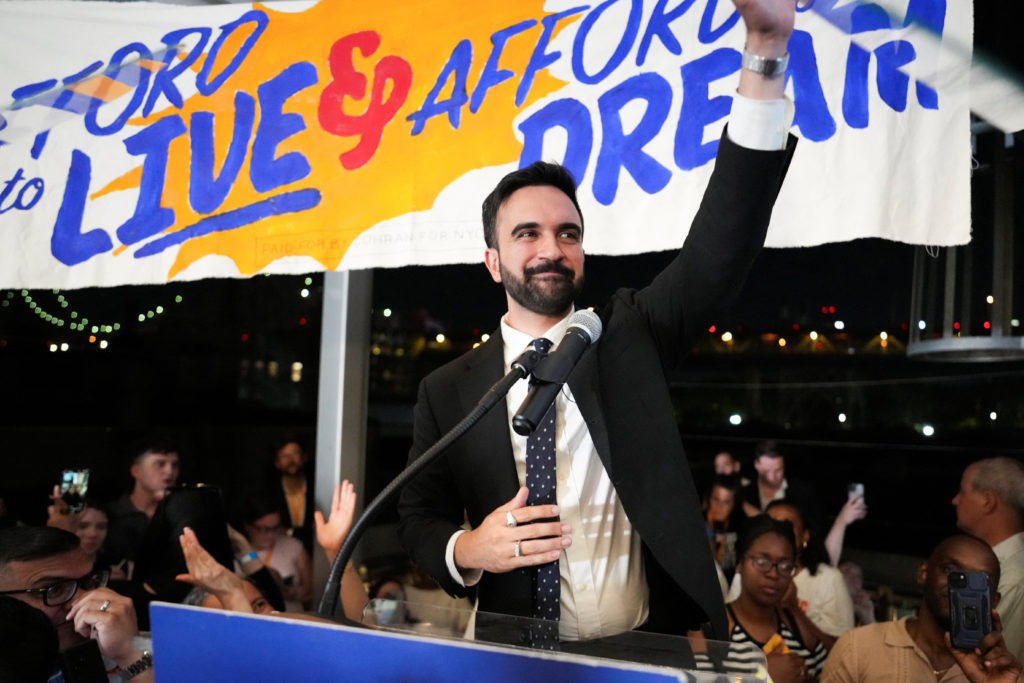
What Influenced the Election Outcome?
Several key themes played a major role in the election:
1. Public Safety and Policing
Public safety was one of the most significant issues on the ballot. Eric Adams, a former NYPD captain, positioned himself as a candidate who could reform the police force while maintaining order and reducing crime. Maya Wiley advocated for reallocating some policing funds toward community and social support programs. Voters ultimately leaned toward Adams’ approach to balancing safety with reform.
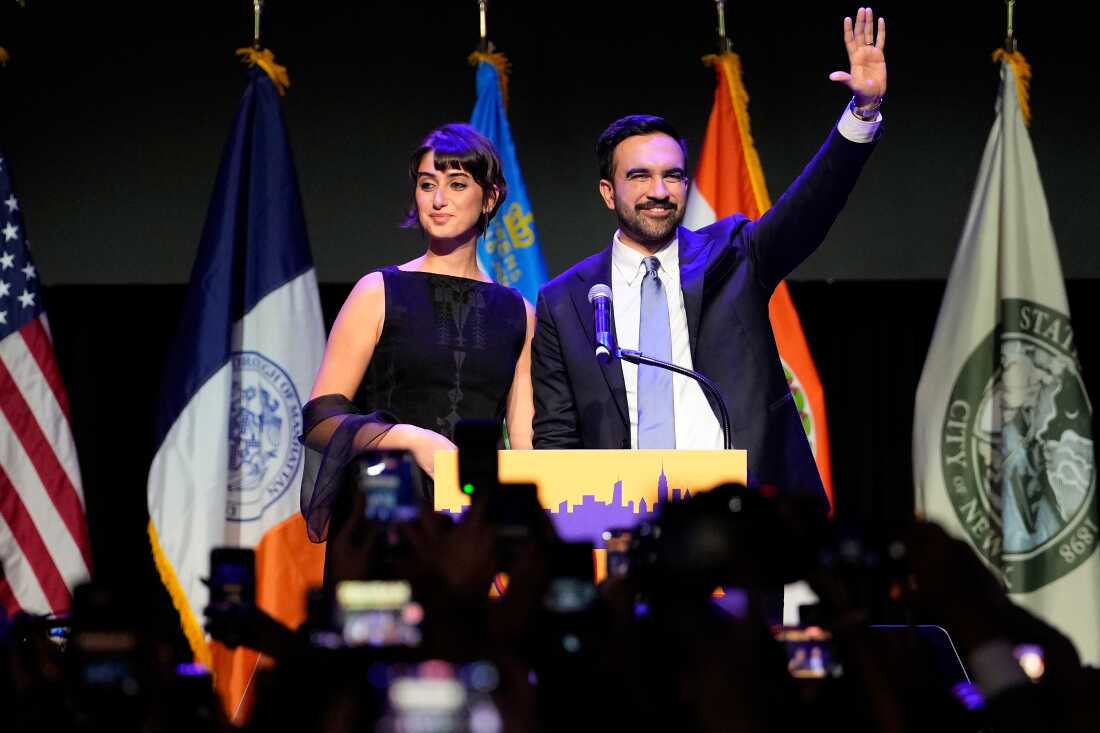
2. Economic Recovery Post-Pandemic
New York City continues to rebuild from the economic impacts of the COVID-19 pandemic. Adams emphasized job growth, business support, and revitalization of key sectors such as hospitality and retail. Wiley focused on affordable housing expansion, public social services, and community development. The vote suggests that economic recovery strategy was a deciding factor.
3. Housing Affordability
Affordable housing remains one of the city’s most pressing crises. Both candidates proposed plans, but differed in approach: Adams focused on speeding up development processes, while Wiley prioritized tenant protections and public housing investments. Housing challenges are long-term, and the next administration will face pressure to deliver solutions quickly.
What Comes Next for New York City?
With the election concluded, the new mayor will take office facing major expectations:
-
Rebuilding public trust in city institutions
-
Addressing rising housing and living costs
-
Strengthening public transportation
-
Supporting small businesses and workforce growth
-
Improving public safety while ensuring accountability
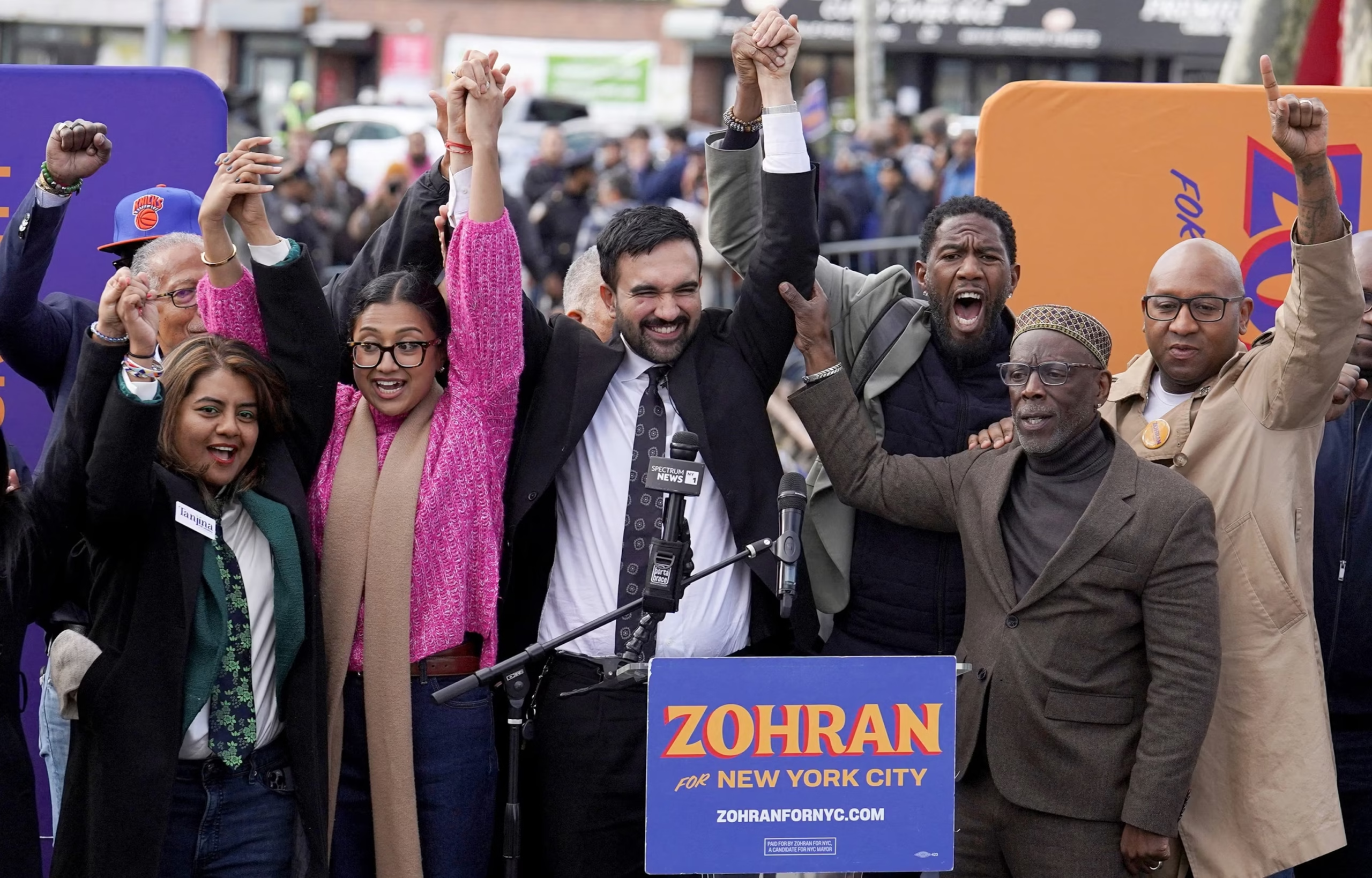
The coming years will provide an opportunity to see how policy priorities translate into real change across boroughs and neighborhoods with diverse needs.
Final Thoughts
The NYC mayoral election results highlight the city’s evolving political landscape and the priorities of its voters. While campaigns often spotlight differences, the future administration will need collaboration, compromise, and community engagement to guide the city through recovery and growth.
New Yorkers will now be watching closely to see how campaign promises turn into action.